Thursday, February 09, 2006

RETRO TOY FLASHBACK # 29: Star Trek Calendars!


Over the years, I've collected just about every type of Star Trek product imaginable. I still proudly display a full set of Star Trek: First Contact chocolate candy bars from 1996. Yep. I wouldn't eat 'em or anything, since they're ten years old now, but I still have em, and I collected them all. I also have a blue cookie tin with Enterprise D schematics...and the cookies are still inside. Crumbled by now, I'd guess (though I won't look...)
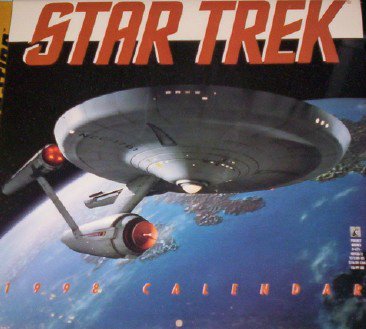
I started early collecting my feature of the week: Star Trek-related calendars. Actually, my very first calendar (not pictured) was a Star Wars calendar from the year 1977. I'll never forget it...I really loved it and made it a special point to look at it every day. It hung on my bedroom closet door long after 1977, of that you can be sure.


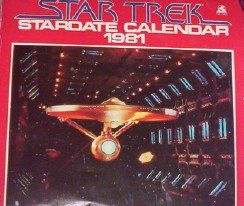
But for Christmas of 1980, my parents surprised with me with a great gift (among many great gifts): two different Star Trek: The Motion Picture calendars for the year (or stardate...) 1981. What I loved about these calendars is that many of the stills you could see on the individual month pages featured scenes not actually in the movie. For instance, in one calendar, you can view Mr. Spock and Captain Kirk inside V'Ger, wearing orange and red spacesuits of a totally different style from the ones they adorn in the film. That fascinated me as a kid...and it still does.

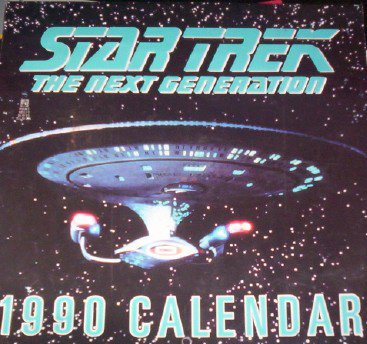
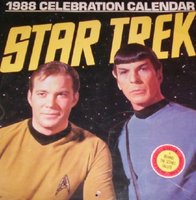
I don't know that I had much real practical use for calendars, however, until I went away to college at the University of Richmond in the fall 1988. Now, suddenly, I had to keep track of things like bills, parental visits, finals, mid-terms, paper due-dates and the like, and so my penchant for Star Trek calendars came in handy. Back in 1988, I was also staunch defender of Star Trek: The Next Generation so I owned a calendar from that show for my freshman year.

These days my love for TNG is not so much. But once upon a time, I even had all the episode titles memorized, in order (let me see how I do...Encounter At Farpoint, The Naked Now, Code of Honor, The Last Outpost, Where No One Has Gone Before, Haven, Justice, The Battle...). At one point, I know could rattle off 37 titles in a row, almost two seasons. Yeah, that's why I didn't do too well in my classes, I guess. I was always trying to remember if that episode with the Bynars was called 11001001 or 100110011. All right, whatever.

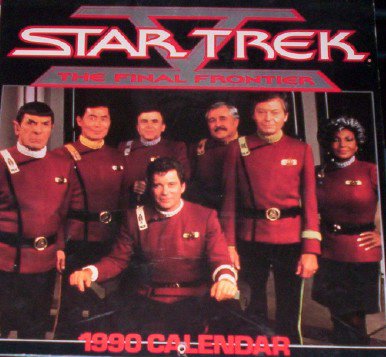
The year 1989 is a special one for me, because I met my the love of my life, Kathryn and so necessarily had to include our dates on my spanking new Star Trek: The Final Frontier calendar. I remember wrangling my dorm buddies and Kathryn to go see the film at a second-run theater in the fall, thinking that maybe I could help the movie make more money. After all, I wanted a sequel...

That sequel came with The Undiscovered Country in 1991 (my favorite Star Trek movie...) and I remember that year well because it was the year the world lost the Great Bird of the Galaxy, Gene Roddenberry too. I still have this calendar as well.

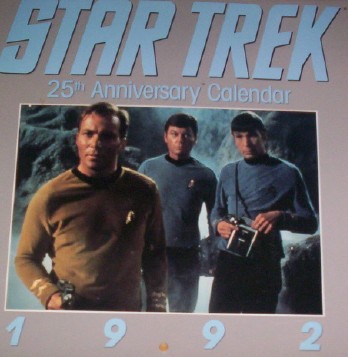
1994 heralded the end of The Next Generation. Over the years, I kept buying more Star Trek calendars, but ultimately used them less. Through the remainder of the 1990s, many of the calendars I got didn't even come out of their plastic and that's how I still have them today...sealed up tighter than Khan in suspended animation on the Botany Bay.
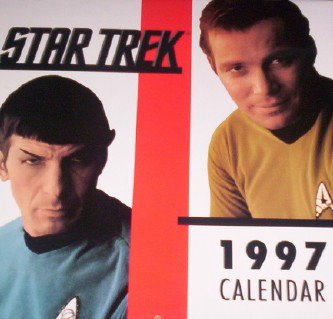
And today - if a calendar should feature Kirk, Spock or NCC-1701 on the cover...(or for that matter, Jolene Blalock...) I am so there!

Wednesday, February 08, 2006

CULT MOVIE REVIEW: Yellow Submarine (1968)

Billed as The Beatles' "mod odyssey," the 1968 animated fantasy Yellow Submarine is an 89-minute retro delight: an imaginative fairy tale girded by whimsical flights of verbal and visual imagination, and all of it featuring the terrific, timeless music of Ringo, George, John and Paul.

The story begins "once upon a time" in far off Pepperland, where the nice, happy (and colorful...) folks living there are attacked without warning by The Blue Meanies, a bunch of killjoys armed with anti-music missiles who only "take no" for an answer. Their unprovoked attack takes the Pepperland people by surprise, and the community literally "turns blue" under the assault of Blue Meanie weaponry, which includes a guided missile called GLOVE which - you guessed it - looks like a giant human hand with a pointed finger. The rolling green hills and lovely land of Pepper becomes a landscape of grimacing gray faces, all frozen in a sullen silence. Joy has been exterminated...

However, one man escapes the onslaught of the Blue Meanies in a yellow submarine (hence the film's title...) and goes in search of someone - anyone - who can restore his home to its former wondrous glory. After the opening credits, the yellow submarine arrives in the audience's reality, the UK to be exact, a brick and mortar world of factories, workers, industry and lonely, isolated people...almost a deadly dull palette after the color and vitality of Pepperland; a feeling which is nicely accentuated by the Beatles' sad tune "Eleanor Rigby," which is played on the soundtrack. In short order, the Beatles are recruited to save Pepperland, and begin a long journey to reach it.

On this incredible sojourn fusing music and madness, the Beatles travel through time and space and age rapidly (to the tune of "When I'm 64"), pass through a sea of strange animals (including a walking teacup and saucer) and even encounter a "Nothing" named Jeremy, who speaks entirely in rhyme. Here, as Ringo thoughtfully decides to bring Jeremy from nowhere to somewhere, the tune "Nowhere Man" is played. Next up, the Beatles move to the "foothills of the headlands" to find the route to Pepperland (accompanied by trippy imagery and "Lucy in the Sky with Diamonds.")

Finally, the Beatles arrive in Pepperland and wage a most unusual war of melody and love against the Blue Meanies. They must impersonate Pepperland's most popular group, Sgt. Pepper's Lonely Hearts Club Band and rally the people of the land into rebellion with the return of their music. They do so quickly, restoring color and vitality to Pepperland in the process. The tunes they use in this endeavor include "All You Need is Love," and "With a Little Help from My Friends." There's even a genuflection to "flower power" as Jeremy casts a spell on a Blue Meanie that makes flowers bloom all over his chubby body.

In all, Yellow Submarine is a dizzying trip loaded with unforgettable imagery and songs (twelve of 'em, in fact). It's a bizarre exploration of inner space from the same year that gave the world 2001: A Space Odyssey
.

The movie positively springs from one silly verbal pun to another, and is packed with wall-to-wall jokes. When the Blue Meanies are defeated, for instance, one of the baddies asks where they will end up. "Argentina?" another responds questioningly, implicitly linking the Blue Meanies to real life villains like the Nazi Regime, some of whom also fled to Argentina after WWII. The language in the film is silly and wonderful, filled with non-sequitur and malapropism, yet it is the trippy imagery that remains so evocative of the late 1960s and early 1970s...a great time for world cinema. For instance, there's a vast of sea of holes preceding a sea of green, and when the yellow submarine first departs England, the film cuts to a dizzying, rapid-fire montage of landscape photographs to indicate the exodus from our world to another. From an ocean of sine waves to an explicit demonstration of how long - precisely - 64 seconds is, the film is daring in its imagery, abstract in its jokes, and never less than entertaining.

In a sense, Yellow Submarine made me a little sad because I realized while watching it that even in an era when CGI can create anything - how mundane and "realistic" our movie imaginings have become. Even our most sprawling fantasies (like Lord of the Rings) rarely seem abstract, symbolic, weird or wonderful. Back in 1968, a fairy tale like Yellow Submarine was cutting edge, but also an entertainment that a child and an adult could enjoy on totally different levels. It is the result of a silly, unfettered imagination, and yet no industry executive would dare greenlight such a project today, not when movies cost so much and must return a profit on the significant investment. The result is that we don't really have movies like Yellow Submarine now, and thus I wonder, did the Blue Meanies win? Has grim reality, and our own creative limitations forced us to endure a world where we only take no for an answer? I don't know about you, but that's not the world I want to live in when I'm sixty-four...

TV Review: Medium: "A Changed Man"

Another fine episode of Medium aired during Monday night's NBC line-up, this one entitled "A Changed Man," written by Bruce Miller and directed by Lewis H. Gould. The story found our favorite psychic, Allison DuBois at a medical imaging center at the same time as a kindly copy store owner named David. While waiting to get her own MRI, Allison experienced terrifying, grainy home movie-like, subjective-point-of-view visions of David cruising the streets for prostitutes, taking them home, making love to them, and then suffocating each with a pillow. Allison became convinced that he had hidden the bodies in the desert, and set about establishing his guilt by locating the missing prostitutes.

But the twist (and there's always a twist on Medium...) was this: One night, five or six years earlier, David's nightly murder ritual had been unexpectedly interrupted by a break-in. The prostitute he was sleeping with, Jade, had arranged for her pimp to follow them to David's house and rob David blind. So before David could even raise the pillow to suffocate Jade, he was caught in an altercation and shot - at point blank range - in the head by the pimp. Miraculously, David survived the encounter...but with no memory whatsoever of his previous life (including his seedy existence cruising the streets and committing murder...). Jade got her life straight, changed her name to Angela, re-introduced herself to David, and married him...unaware that he had ever been a killer.

Allison learns all of this information and backstory and comes to understand that the man who picked up girls off the streets before doesn't really exist anymore. He's gone, replaced by a normal guy who runs a business and loves his wife. She asks Joe, "are we really just the sum of our memories?" and that's the territory the episode explores. Furthermore, Angela, David's wife, must now confess to him that she knew him before visiting him in the hospital, that she was once a prostitute. The story ends in a desert "filled with secrets; filled with corpses," as David must confront a past he doesn't even remember, and take responsibility for the terrible crimes of a man who now seems like a stranger.

The "B" plot on Medium's "A Changed Man" involved the specifics of Allison's MRI and brain scan. Turns out she has a peanut-sized gray spot on one lobe. This tangle of extra veins has been there since birth, and is a typical feature of epileptics. Joe immediately suggests that it is this DuBois Angioma, as he calls it, that may be responsible for Allison's "auditory and visual ephemera" - in other words, her visions. This theory isn't proven however, when only one of the DuBois kids, Bridgette, proves to have the angioma too. Since both Ariel and Bridgette have experienced psychic-like visions, the angioma clearly isn't the source.

"A Changed Man" is likewise named because of its opening - and terrifying - scene. It's a normal school morning at the DuBois house and Allison is staggering about the kitchen getting ready for work while Joe cooks breakfast for the girls at the stove. When he turns around to face her, it's not Joe standing there, but an eerie doppelganger, a stranger. Similarly, the girls aren't really the girls, but similar-looking interlopers. This is the incident that takes Allison to the imaging center in the first place, and it reminded me of all those old black and white Twilight Zones in which a man wakes up only to find that his life isn't real, that his friends look different, or that nobody remembers him. This was a great way to start the episode, but I kind of wish the episode had followed through with it a little more.

Still, Medium is compelling television every week, and "A Changed Man" is no different. It raises pertinent questions about love, romance, memory and the human spirit. Without memories, are we different people? Or are we genetically programmed to react a certain way to certain stimuli? I think Joe would like to believe the latter, which is why he so desperately hopes to prove the existence of the DuBois Angioma. But like so many aspects of human existence, there are no easy answers regarding either psychic powers, or criminal behavior.

Finally, as always, I enjoyed the kitchen sink reality of Medium. The DuBois family is not wealthy, and I appreciated how the episode began with Joe on the telephone, arguing with a recalcitrant insurance company about his health plan. So often, those of us outside TV Land have to go through the exact same thing, and too often on TV, the characters there don't have such realistic problems. They live in a "perfect bubble" of designer clothes, Pier One furniture and endless resources. Not so on Medium, and I like it. The psychic stuff is a lot easier to take because the rest of the program is so solidly grounded in reality.

When's the Medium box set coming out?

Tuesday, February 07, 2006

Sci-Fi Wisdom of the Week:

I did it because I hate those who try to alter destiny, which is the unalterable will of God. And - if it is man's destiny, one day, to be dominated - then oh, please God, let him be dominated by such as you..."

-Armando (Ricardo Montalban) in Escape from the Planet of the Apes (1971)

TV REVIEW: Surface Season Finale!
"It's a new world," a stunned Laura Daughtery (Lake Bell) declared during the explosive denouement of Monday night's fifteenth and final first season episode of NBC's Surface.

This pronouncement was given from atop a church steeple as a dramatic CGI pullback revealed that Wilmington, North Carolina - and indeed the whole South East sea board - had been devastated in a "tele"-tsunami (caused by the giant sea monsters). It was a portentous moment, and I hadn't seen so much bad CG work since Escape from L.A. in 1996, But heck, I was still shocked and awed, to turn a phrase. I always admire a TV series when - out of either creativity or desperation - it goes totally for broke. Cuz that's exactly what Surface did this season.

The show has never been terribly original, and the special effects are always dodgy, yet there's a ballsiness about Surface that I can't help but admire. Until the final episode, the two main storylines never crossed; and half the cast never appeared with the rest of the cast on screen. Then, in this final episode, Miles, Caitlin and my favorite character, Nimh, finally met Laura and Rich. I think their rendezvous was pretty elegantly accomplished, when the temptation must surely have been to throw everybody together to "solve" the sea monster problem as soon as possible.

And secondly, Surface - in ending on a catastrophic and apocalyptic note - proved to have the courage of its nutty convictions. It would have been tempting to end on an easier, less-expensive note, one that wouldn't turn the universe of Surface upside down. But instead, the writers and creators of this series (The Pate brothers) selected the hard way, and followed-through with the logical plotline (which involves damage to our environment caused by these man-made sea monsters).

If the show gets a second season, it will be fascinating to see where the series heads next. Surface can pull a Threshold and simply have the tsunami recede, and the Corp of Engineers repair the coast (anybody remember that crappy episode "Pulse"?) or it can acknowledge that the world - the very environment of Mother Earth - has irrevocably changed.

It looks like the creative team behind the series is picking the latter choice, and I appreciate that. Because - let's face it - the genetically engineered sea monsters are merely a metaphor for man's pollution of the environment, and the "climate change" that's going on right now all around us, only accelerated for purposes of drama. This series - in the grand tradition of the best science fiction - is a precautionary tale about scientists, corporate interests and governments that put power ahead of responsibility.

Which isn't to say that last night's episode wasn't purely and totally ridiculous. Let me get this straight: Miles realizes Caitlin is stranded at his house, jumps off a ferry at sea, and swims back to his home, rescues her, gets into a car, and drives downtown (to a bridge)...all in under fifteen minutes (the time left before the tsunami strikes)? Even the Man from Atlantis would have a difficult time with that feat!!

Secondly, Rich, who is trapped in Blofeld's volcano headquarters or some such thing, manages to get a cell phone call out to his wife and kids on the first try (even though he is several sub-levels down...), when Miles has repeatedly made a point of informing his parents (and thus the audience...) that the phone lines are overloaded and he can't get a call through to Caitlin. So the phones apparently selectively choose which people will have working cell phones, based on the exigencies of the narrative. If Miles had gotten his call through, after all, he wouldn't have had to jump off that ferry and swim to the mainland in time for the rescue.

Also, is it just me, or did the time till the tsunami strike vacillate wildly from moment to moment? I swear one computer read-out gave the countdown time as nineteen minutes, but then a guard in the scientific facility said that they had twenty-three minutes to escape.

I guess the bottom-line here is that I can nitpick the hell out of this (and every...) episode of Surface, but I still love it. I've told you why many times: sea monsters, E.T.-syndrome, blockbuster mentality, etc. I know others won't be nearly so kind, but what can I say? Surface had me at "hello" and kept my attention till last night's "Goodbye."

I really hope this series gets renewed. Where else can I get my weekly fix of cheesy special effects, cute little sea monsters and Lake Bell?

Catnap #30: Lila & Lily on the Sofa


Lila (gray) and Lily (black) have become really good buddies. Every day and every night, they nap together. Lily is about seven months old, Lila about six-and-a-half years, so sometimes Lily gets a bit rowdy for her big sister. But Lila seems to enjoy taking care of her in a maternal kind of way. Ezri (not pictured) tends not to get quite so close (she's skittish...) but occasionally she'll get on the couch nearby...

Monday, February 06, 2006

Guess the Movie # 3


Icky, huh?

"Guess the Movie # 2" stumped readers last week with that photo from The Children (1980)...I even had to provide a clue! So - - who shall best me this week?


What movie is this still from? And no, it's not a porno-movie gone bad. And remember, write in a funny caption if you can think of one...

McFarland's February Book Release Schedule

Every month, I like to check in with my friends over at McFarland, the North Carolina publisher that specializes in highly-detailed, impressively-packaged pop-culture reference books.

Here's what's on tap for the house in February. I will be reviewing at least one of these texts (the Buffy the Vampire Slayer aesthetics book...) on the blog soon.


From cartoons to cooking, science fiction to shopping, twenty-first century television seems to have a channel for every kind of programming. Today, a national networking capability is no longer necessary for a profitable television venture, and the old distinctions between “channel” (i.e., local programming) and “network” (national programming) have been erased. Television now offers hundreds of channels to a nationwide audience.This reference book offers a comprehensive listing of more than 750 channels and networks (the book uses whichever term the broadcaster has adopted) widely available in the United States and Canada. Programming genres vary widely and include news, sports, movies, music, religion, and more. The alphabetically arranged entries give channel name, contact information, launch date and first broadcast day. A brief description of broadcast structure and history is also included, and many entries also contain a brief list of major shows and their subject matter. An introduction to the work provides a concise history of the television industry, discussing major differences in the development of Canadian and American networks with special emphasis on the role of the government in each.


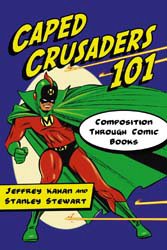
Caped Crusaders 101: Composition Through Comic Books, by Jeffrey Kahan and Stanley Stewart:

The comic-spawned Spider-Man franchise, despite its “pop” status, demonstrates important trends in literature. It raises numerous key questions for developing a better understanding of literary elements and devices. How, for example, do writers involved with the franchise reconcile divergent plotlines and characterizations that appear in multiple serials, and in a number of concurrent depictions of the hero in comic series, television series and films? Readers may be surprised to realize that Shakespeare grappled with similar topics in his Henry VI series, and, for instance, in the character Falstaff’s reemergence from death in The Merry Wives of Windsor.

This textbook inspires a greater appreciation for literature by studying important literary themes found in comics. By deconstructing comics, it raises critical thinking about literature, a crucial skill for understanding language and composition. Chapters discuss DC, Marvel and other comics’ varied attempts at portraying race, politics, economics, business ethics and democracy; responses to the Cold War and the events of September 11; and portrayals of prisons and capital punishment. Each chapter offers a series of questions that stimulate further reading, writing and discussion. Photographs are included as well.

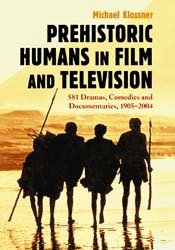
Prehistoric Humans in Film and Television, 581 Dramas, Comedies and Documentaries, 1905–2004, by Michael Klossner:

From the early days of the movies, “cavemen” have been a popular subject for filmmakers—not surprisingly, since the birth of cinema occurred only a few decades after the earliest scientific studies of prehistoric man. Filmmakers, however, were not constrained by the emerging science; instead they most often took a comedic look at prehistory, a trend that continued throughout the 20th century. Prehistoric humans also populated adventure-fantasy films, with the original One Million B.C. (1940) leading the charge. Documentaries were also made, but it was not until the 1970s that accurate film accounts of prehistoric humans finally emerged.

This exhaustive work provides detailed accounts of 581 film and television productions that feature depictions of human prehistory. Included are dramas and comedies set in human prehistory; documentaries; and films and television shows in which prehistoric people somehow exist in historical periods—from the advent of civilization up to the present—or in extraterrestrial settings. Each entry includes full filmographic data, including year of release, running time, production personnel, cast information, and format. A description of each film provides background on the prehistoric elements. Contemporary critical commentary is included for many of the works.


The Aesthetics of Culture in Buffy the Vampire Slayer by Matthew Pateman:

On the TV screen as elsewhere, there is often more than meets the eye. For decades, television has offered not just entertainment, but observations—subtle and otherwise—on society. This book examines the cultural commentary contained in Buffy, the Vampire Slayer, a show that ran for seven seasons (1997–2003) and 144 episodes.

On the surface, Buffy is the marriage of a high school drama to gothic horror. This somewhat unusual vehicle is used to present, via the character of Buffy, fairly typical views of late 20th century culture-teenage problems; issues regarding a broken home; and the search for meaning and validation. In addition, subtler themes, such as cultural views of knowledge, ethnicity and history, are woven into the show’s critique of popular culture. Organized into two sections, this volume offers an in-depth examination of the show: first, through the lens of Buffy’s confrontation with culture, and second, from the complex perspectives of the individual characters. Issues such as values, ethical choices and the implications of one’s actions are discussed—without ever losing sight of the limitations of a medium that will always be dominated by financial concerns. The final chapter summarizes what Buffy has to say about today’s society. An appendix lists Buffy episodes in chronological order
.

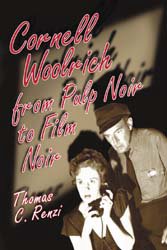
Extremely popular and prolific in the 1930s and 1940s, Cornell Woolrich still has diehard fans who thrive on his densely packed descriptions and his spellbinding premises. A contemporary of Hammett and Chandler, he competed with them for notoriety in the pulps and became the single most adapted writer for films of the noir period. Perhaps the most famous film adaptation of a Woolrich story is Alfred Hitchcock’s Rear Window (1954). Even today, his work is still onscreen; Michael Cristofer’s Original Sin (2001) is based on one of his tales.

This book offers a detailed analysis of many of Woolrich’s novels and short stories; examines films adapted from these works; and shows how Woolrich’s techniques and themes influenced the noir genre. Twenty-two stories and 30 films compose the bulk of the study, though many other additions of films noirs are also considered because of their relevance to Woolrich’s plots, themes, and characters. The introduction includes a biographical sketch of Woolrich and his relationship to the noir era, and the book is illustrated with stills from Woolrich’s noir classics
.


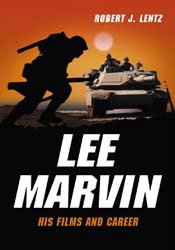
Lee Marvin did not receive his first starring film role until he was 40, but in three short years—following the successes of Cat Ballou (for which he won the Academy Award as Best Actor), The Professionals and especially The Dirty Dozen—he was the most popular film actor in America. Marvin was a fascinating man, a loving husband and father, and one of the most natural, effective actors of his time.

This is a comprehensive reference of the Oscar-winning actor’s work. It includes biographical information on Marvin, an analysis of each of his 64 movies, chapters on his two television shows (M Squad and Lawbreaker), a listing of his television appearances, and a complete filmography (which includes video availability). The work is supplemented with dozens of photographs and film stills.

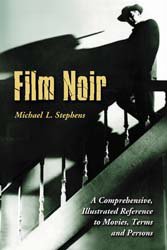
Film noir is a uniquely American genre that has stylistic links to the German expressionist cinema of the 1920s and thematic links to the hard-boiled crime fiction that emerged in the 1930s. Generally the milieu is urban and middle class, and the overall feel is one of repression and fatalism. Whether shot in black and white or color, the style reinforces the overall feel.

Films, directors, actors, producers, screenwriters, art directors, themes, plot devices and many other elements are contained in this encyclopedic reference work. Each movie entry includes full filmographic data (studio, running time, production and cast credits, and plot synopsis) along with an analysis of its place in the genre. Biographical entries focus on the person’s role in noir and provide a complete filmography of their film noir work. Terms are placed in the context of the genre and relevant examples from films are given.

Head over to McFarland to check out these and other great reference titles in the fields of film and television.

Friday, February 03, 2006

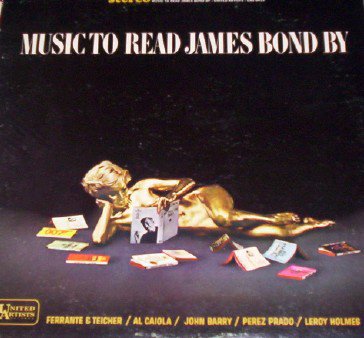
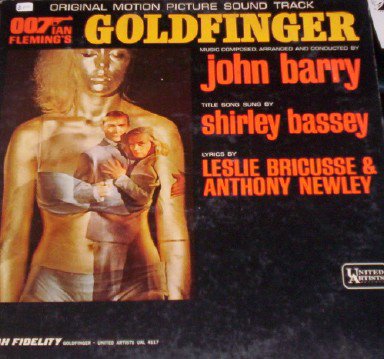
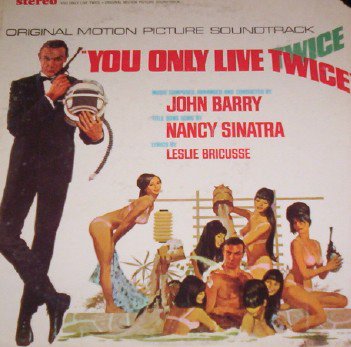
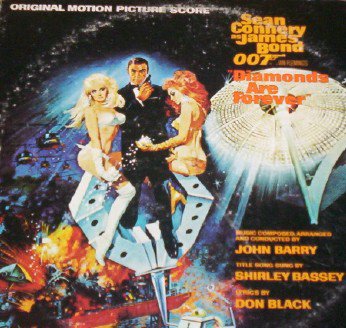
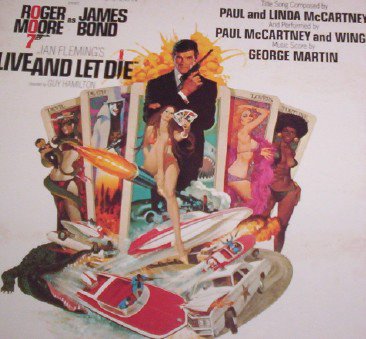
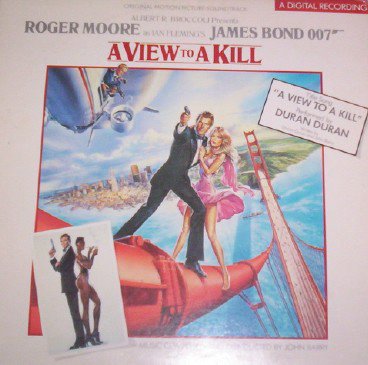
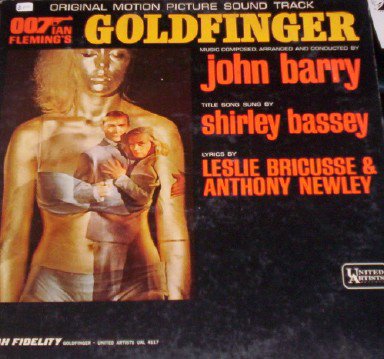
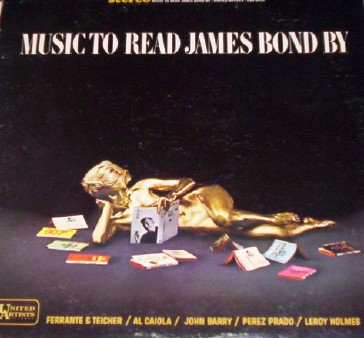
James Bond/007 Record Albums


Continuing yesterday's line of thought, I wanted to highlight today some of the more notable record album covers from the James Bond films.

Why? Well, I just love the art, honestly. I guess these are the same as the "posters" for the films in question, but these illustrations evidence a kind of creative fantasy vision that, frankly, I find missing from many movie posters today.

Ever notice how, following Scream (1996), I Know What You Did Last Summer (1997) and H20 (1998), so many movie posters, both inside and outside the genre, are just a bunch of attractive faces/heads, against a black background. It's like packaged head shots or something. I really hate that, and think it's uninventive. It's ironic that as special effects have improved and movies like Revenge of the Sith, Charlie and the Chocolate Factory show us new worlds, the movie posters have become increasingly bland.

But just look at the album cover art for the Bond flicks, going right up into the 1980s. I would love to have wall-sized posters of these beautiful pieces.

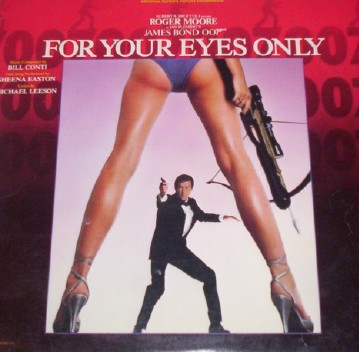
Getting back to the albums, however, it's really amazing what a consistently great job John Barry did scoring so many of the Bond films. He was truly missed on the ones he didn't do, such as Bill Conti's very cheesy 1980s score for For Your Eyes Only.

Of course, the Bond theme itself was written by Monty Norman, and has become the series' trademark just as much as the famous gun barrel opening. Let's hope neither element gets cast aside for the upcoming "re-boot" of the series, Casino Royale starring Daniel Craig.

Over the years, so many great vocalists have contributed to the Bond mystique too, from Shirley Bassey (Goldfinger), to Nancy Sinatra (You Only Live Twice), to my personal favorite of the Bond theme songs, Live and Let Die, by Paul McCartney and Wings. You've also had performances by Carly Simon (The Spy Who Loved Me), Sheena Easton (For Your Eyes Only), Rita Coolidge (Octopussy), Duran Duran (A View to A Kill) and Tina Turner (Goldeneye). Thinking of the recent Pierce Brosnan Bonds, the theme tunes have been far less memorable than I would like. And Madonna's Die Another Day? Don't get me started. I thought everything about that movie, from the soundtrack and theme song to the villain and so-called plot, was the "nadir" of the Bond series. And that's saying something, when you consider Moonraker or Diamonds Are Forever...

What's your favorite Bond theme song?

February Far Sector Column Posted

Hey everybody, my monthly column is up over at Far Sector and it concerns the release of the new movie, Bubble, and the closing of the "window" that separates theatrical and DVD releases.

Here's a snippet from The Bubble And The Window:

The big news rattling the movie industry last weekend was the release of Steven Soderbergh’s experimental, low-budget movie Bubble. Not because the film itself represents a bold initiative, though it boasts no big-name celebrities and stars only “found” non-professional actors--the latest twist on the neo-realism of the 1960s. Instead, this movie has become a cause celebre because its distribution plan has been deemed revolutionary.

To wit, the typical 'window' between theatrical premiere and DVD release of a film is a bare six months. However, in the past few years, when faced with unsaleable big screen turkeys such as 2003's From Justin to Kelly, studios eager to make back their investment have squeezed that window. It’s been contracting to five months, sometimes even as few as three. For instance, the latter was the case of the box office failure, Serenity. The critically-lauded space opera was a big screen attraction in mid-September and a warp speed stocking stuffer by the Holidays.

However, with the advent of Bubble, the tradition of the “window” faces its greatest challenge. Bubble was released theatrically on Friday, January 27, 2006 and it premieres on DVD and Cable TV a scant five days later, on January 31st, 2006. That’s not a window; that’s not a bubble. That’s a fart
...

To read more of the piece, head here.

Thursday, February 02, 2006

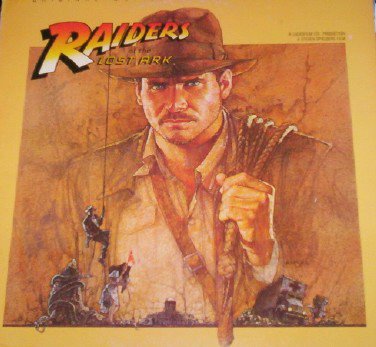
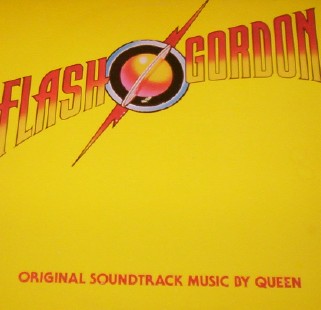
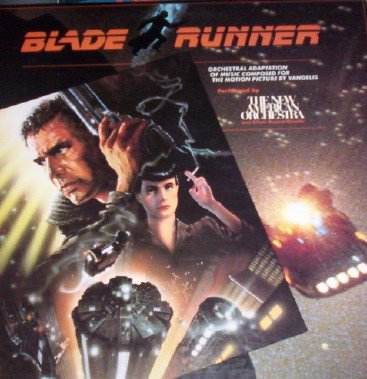
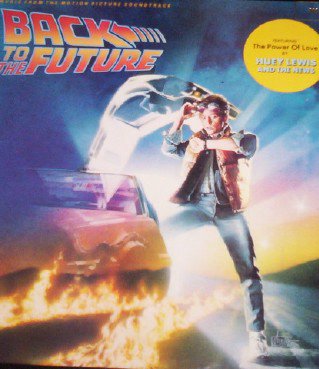
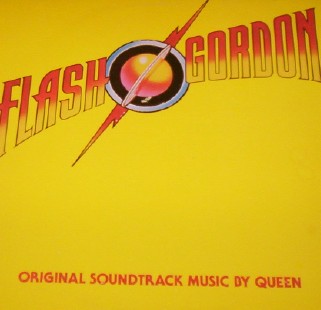
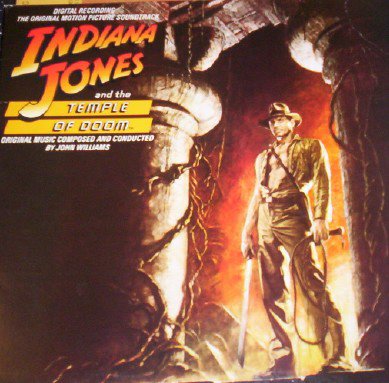
RETRO TOY FLASHBACK # 28: My Record Album Collection!


Wanna know how old I really am? Nothing ages me more, perhaps, than my fondness for an obsolete product like record albums.

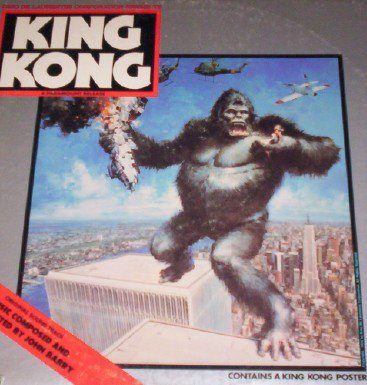
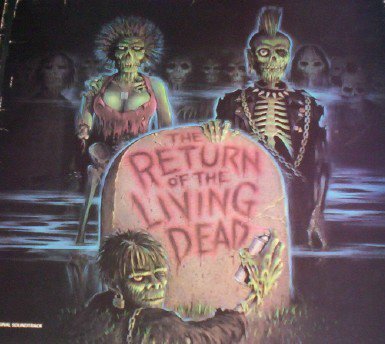
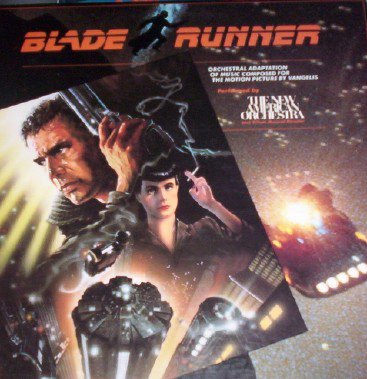
Throughout the late 1970s and early 1980s (my childhood and teenage years), I collected record album soundtracks for science fiction and horror movies like a crazy man. And, of course, I still have 'em all.

What's a record album?

Jeez! Come on, now!

Brief history lesson here: before Internet downloads, before CDs, there were these funny-looking discs called records that you would play on your Hi-fi stereo.

Go ask your father...I'll be here when you get back.

Anyway, I began my love of sci-fi/horror movie soundtracks in the late 1970s when my parents took me and my sister to a record store at Willowbrook Mall in New Jersey.

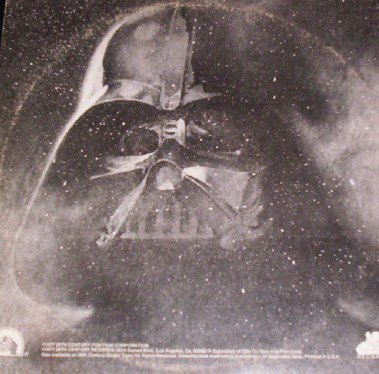
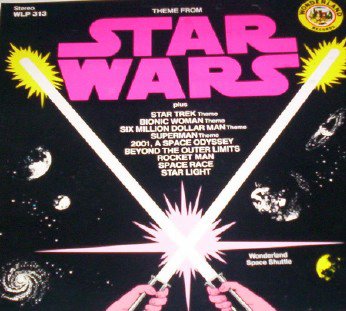
We were there to purchase an Olivia Newton John album, "Totally Hot," if memory serves, but deep in one of the racks I found...Star Wars, the soundtrack composed by John Williams.

Darth Vader's portrait was on the cover art (with outer space in the background) which at my age just seemed too cool for words. (And a little scary...). The album even included the famous "Cantina" song, which I really liked.
It also had the music from the fight between Luke and the Sandpeople, which my friends and I liked to put on when we would wrestle with sticks and try to kill each other. Ah yes, memories...

My parents bought that album - and many more - for me, and well, the rest is John Kenneth Muir history. Soon thereafter, I was saving my allowance, scouring record shops, and even flea markets for genre finds.

A flea market in South Jersey called Englishtown had a vendor who was there each and every week, selling classic James Bond soundtracks, from the Sean Connery era. And his prices were cheap too (like five dollars a piece). This was neat, because the ABC Sunday Night Movie was airing films like Dr. No and the other early Bond pictures at the same time, so there was some "synchronicity" there.

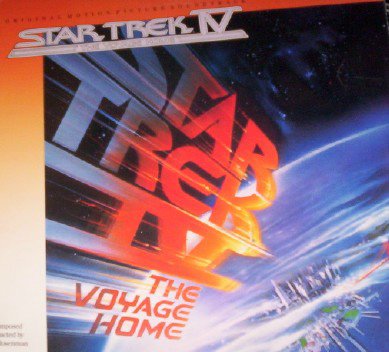
Through the eighties, my love affair with soundtracks grew exponentially and came to include everything from the Star Trek films (though I hated the soundtrack to Star Trek IV: The Voyage Home - it sounded too Christmas-y to me, and I could have done without all the whale noises...), to the Roger Moore James Bond movies, to - gawd! - Back to the Future (with songs by Huey Lewis!) Does that make me an American Psycho? At one point, I even had the soundtrack to To Live and Die In L.A.

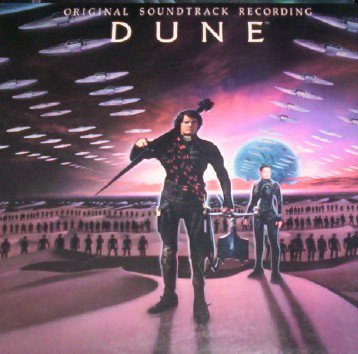
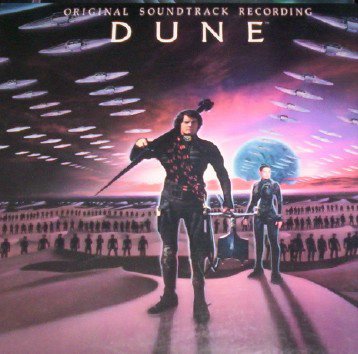
My favorite movie composers include all the ones you would expect. Not just John Williams (loved his Raiders of the Lost Ark score best of all, perhaps), but Jerry Goldsmith, John Barry and even James Horner. I loved the score to Star Trek II: The Wrath of Khan, but then experienced deja vu when I listened to his Aliens score from 1986. I even liked the score to Dune (by Toto!)

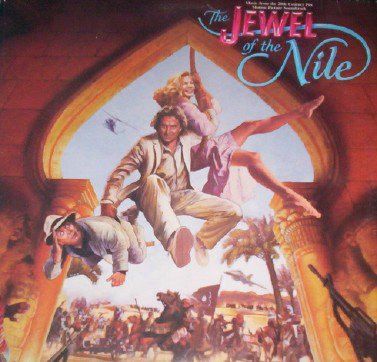
Perusing my collection in the 21st century, I can even see that some of my choices are downright embarrassing. For instance, I own the soundtrack to Jewel in the Nile, which features that immortal mid-1980s Billy Ocean hit, "When the Going Gets Tough, The Tough Get Going!" Also, describing my teenagers years, the soundtrack include's Whodini's "Freaks Come Out At NIght."

Given my long and storied history with genre record albums, I wanted to spotlight them in this post, as my 28th toy flashback even though - technically - record albums aren't really toys.

Still, I've been thinking how much I truly miss these full-sized record albums, not because the sound quality was better on a "record player" or anything like that, but merely because albums offered the additional bonus of gorgeous box art. Many albums came with two records, and so you could open up the box/sleeve to see two full pages of glorious stills from your favorite movie. Somehow, the little photos on CDs don't have the same appeal to me. And with downloads? Nada!

Anyway, bear with my photography here, folks.

Album covers are way too big to fit in my scanner bay, so I had to photograph my collection with my digital camera. Some photos probably could be better, but if you want to know who I am - and understand my work - you just gotta see my record albums!! These are the "tunes" I had on in the background while I began writing short stories and film scripts in the tenth grade. While others listened to Cindy Lauper, Devo, Rick Springfield, The Clash, etc., I had on John Carpenter's soundtrack to Halloween, or Prince of Darkness. What can I say?

If you recall the glory days of vinyl, record albums and trips to the "record store" to get sci-fi and horror soundtracks, give a shout out in the comments below. Which ones did you own? What's your fondest record album memory? What's your guilty pleasure? Come on now, quid pro quo, Clarice. I did tell you about Jewel of the Nile, after all...


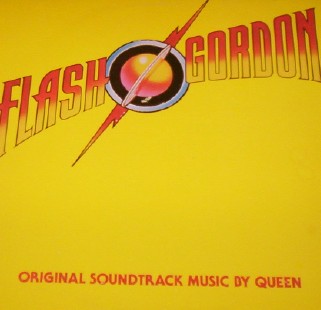
Personally, the album that still thrills me most today is the Flash Gordon soundtrack by Queen from 1980!


"Flash....Savior of the Universe!"